
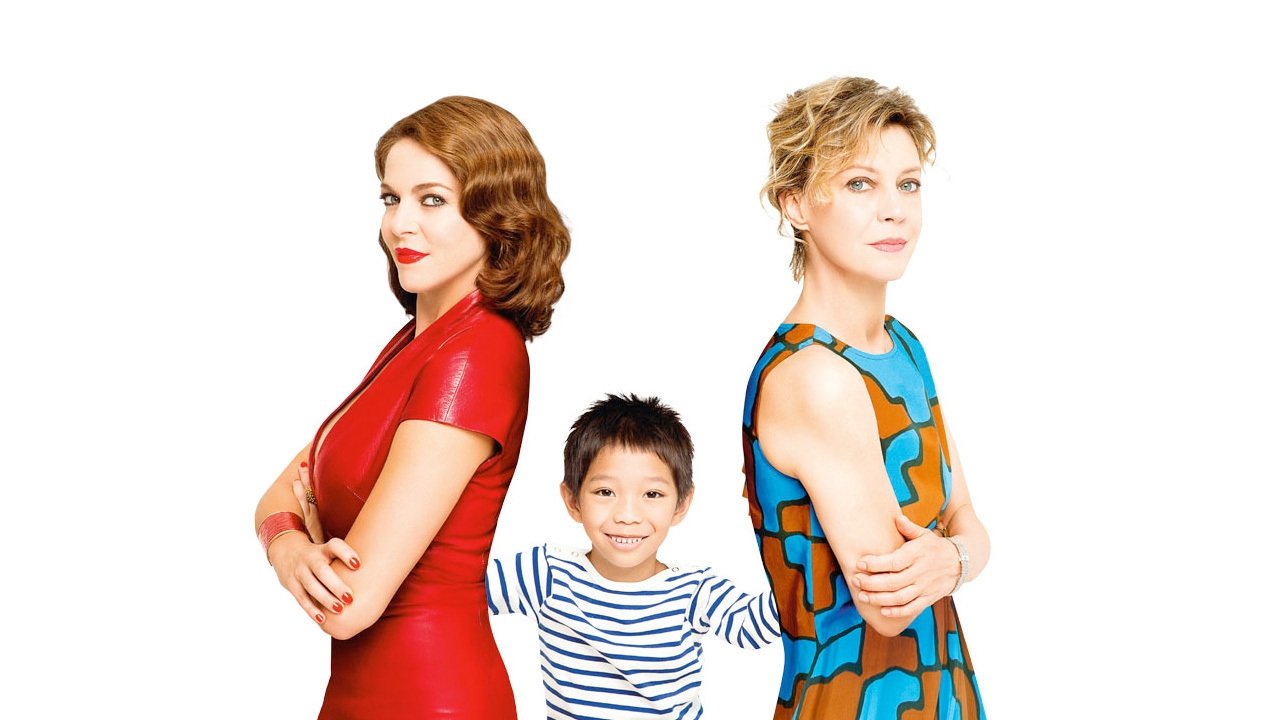
 The First Beautiful Thing 2010 · Details →
CrimsonSubs
187 Italian films and series, 1950 to 2026, chosen for the whole household.
Now showing
View all →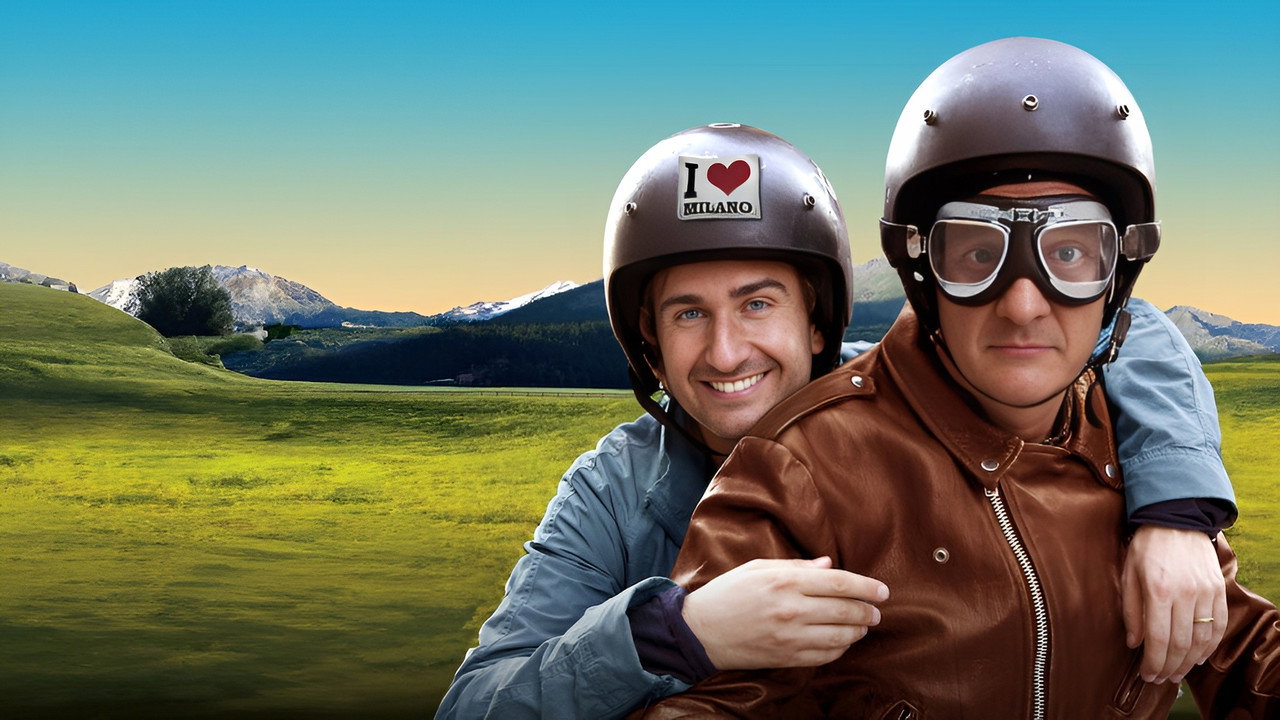

Comedy
View all →

Classics
View all →
Adventure and history
View all →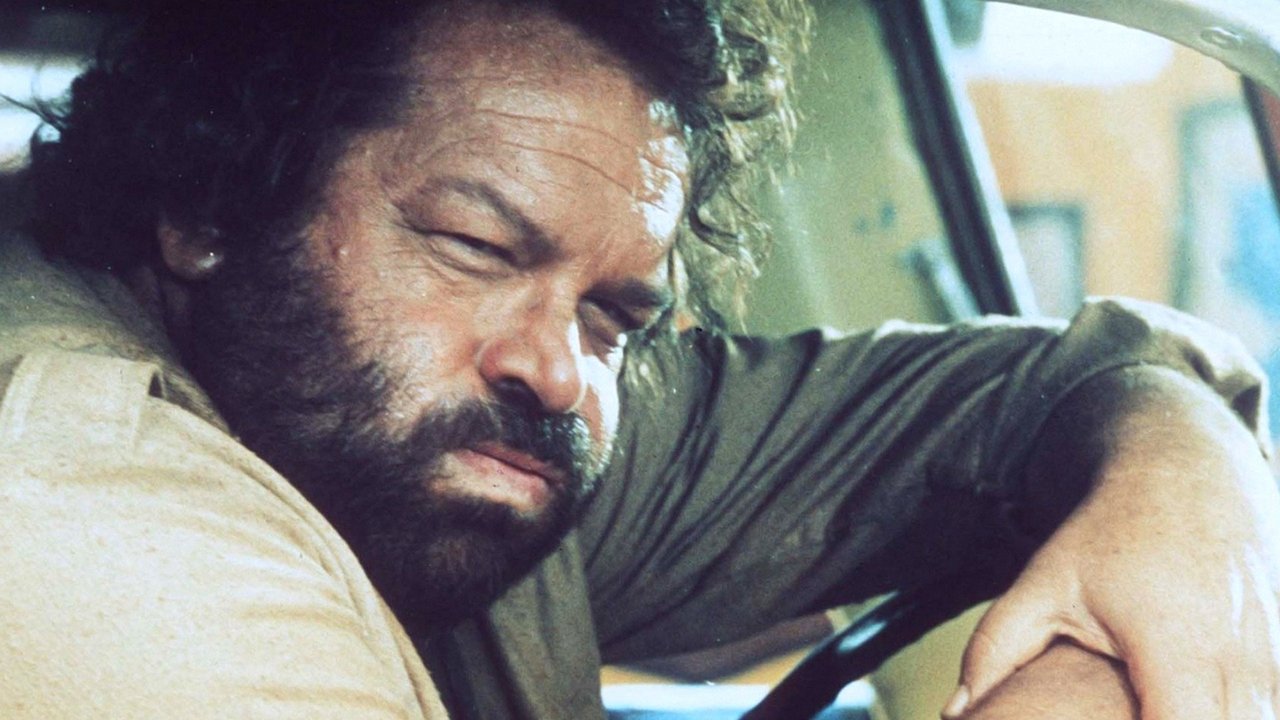

Series
View all →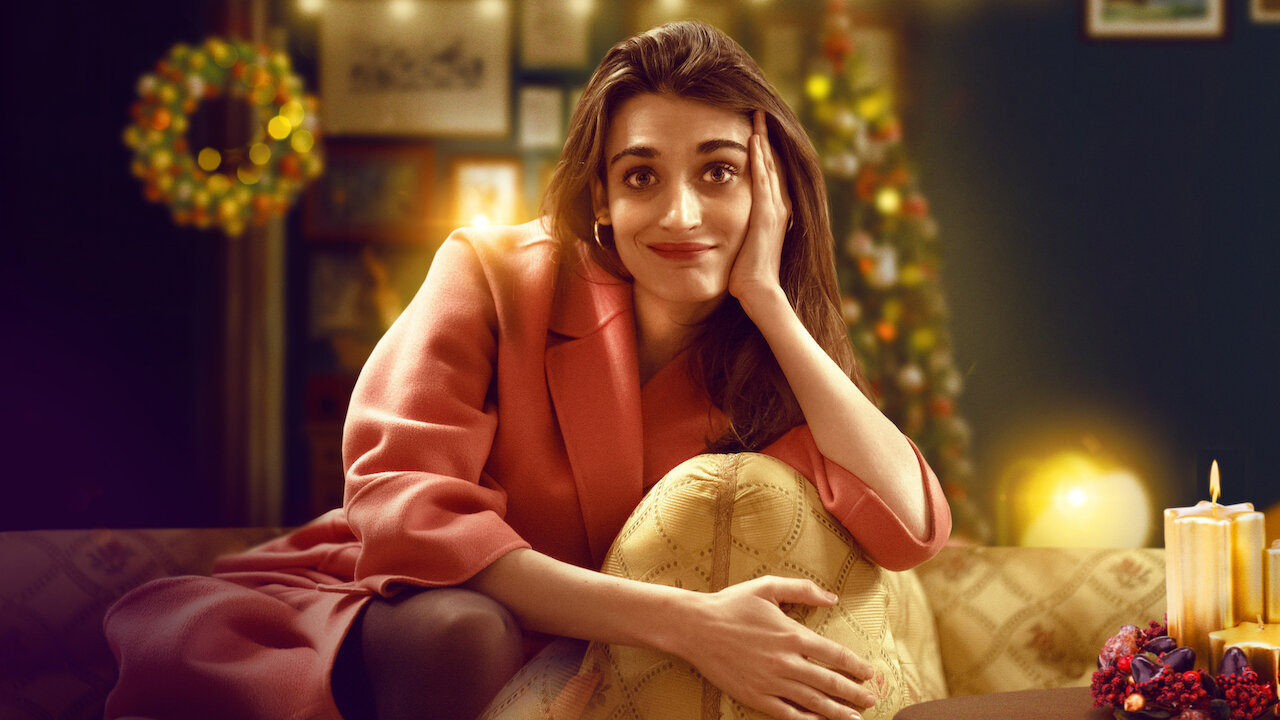
Music and opera
View all →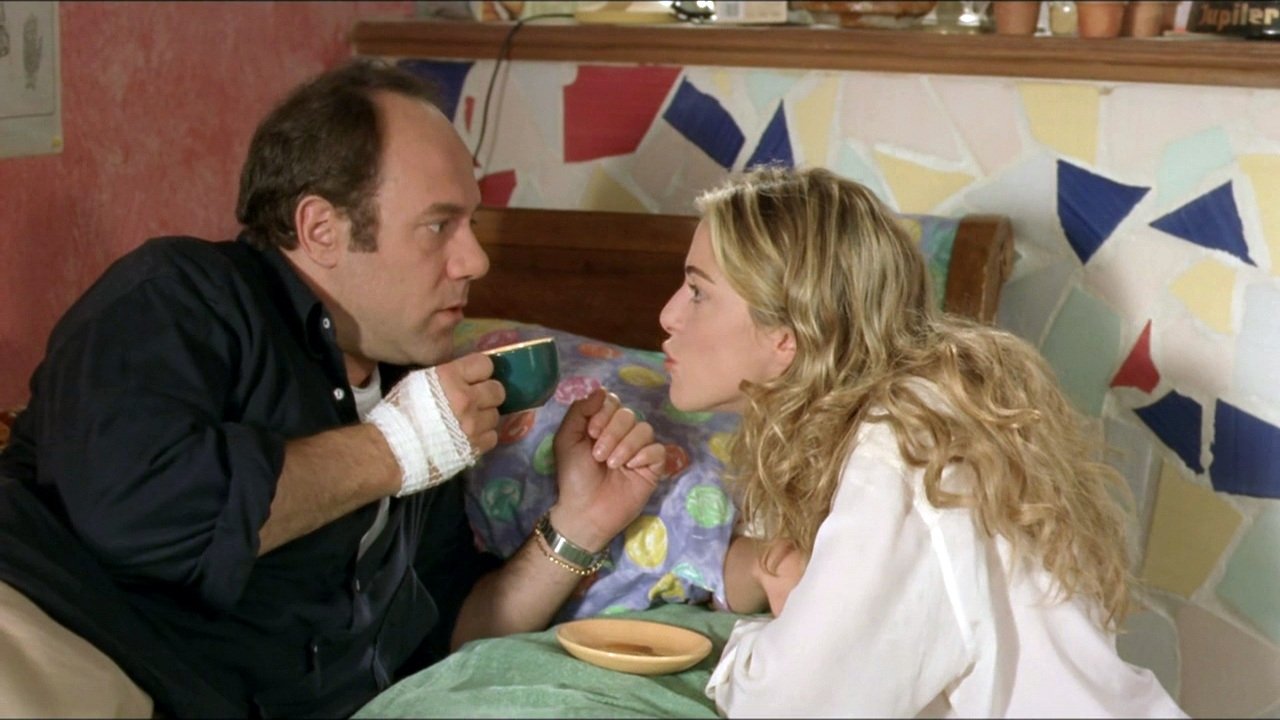

For the family
View all →
Recent films
View all →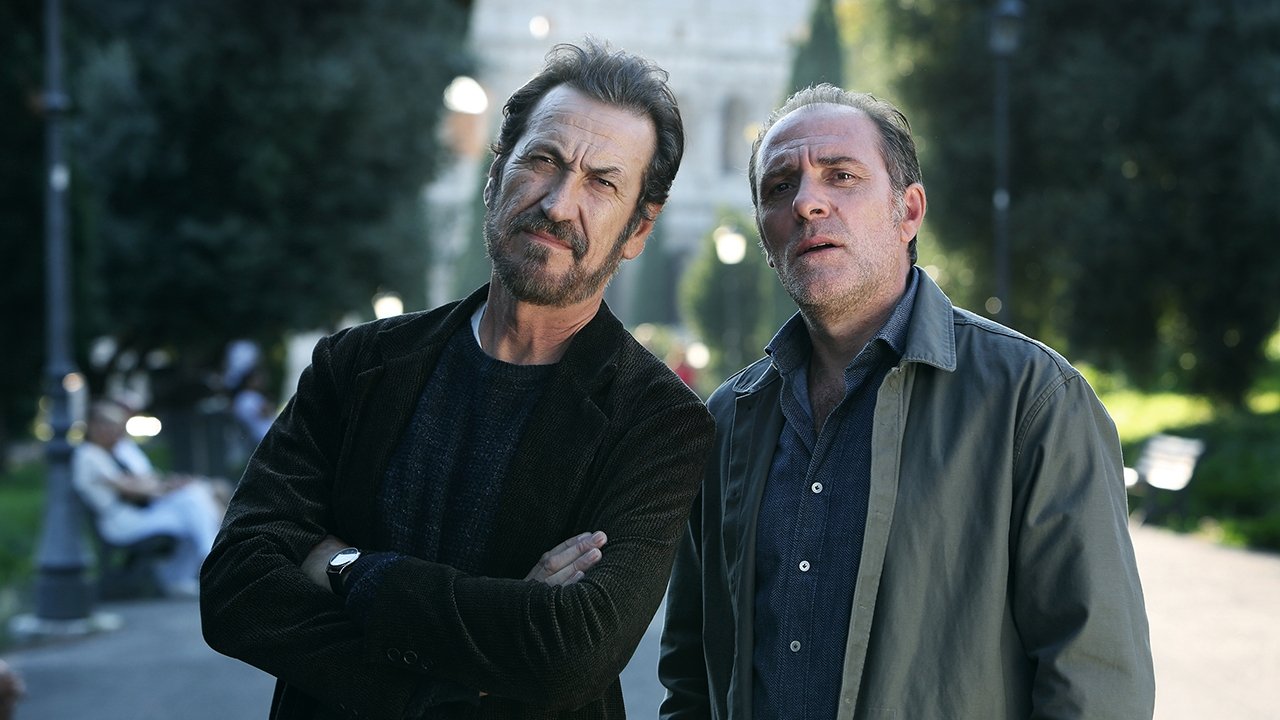
Lists
All films 150All series 37Comedy 109Drama 53Romance 20Adventure and history 39Family 31Music and opera 18Before 1970 521970 to 1999 372000 to 2014 282015 onwards 70Top rated 22
The CrimsonSubs guide to Italian films and series
CrimsonSubs: Italian films and series with subtitles, from Umberto D., Welcome to the North and The First Beautiful Thing to Dry, My Friends Act III and Lucky Luke
A line of pale yellow text at the foot of the screen is a small price for a very large reward. Subtitles open the door to every cinema in the world, and most generously of all to the Italian. Italy has given film some of its greatest masterpieces, and behind the masterpieces stands a popular cinema that Italians themselves love best: comedies about families, holidays and getting by, adventures with strongmen and pirates, films full of song, and gentle stories of provincial life. CrimsonSubs is a guide to that cinema for readers of subtitles. It introduces 187 Italian films and series, all chosen so that a whole household can watch together, each with a Watch now button that leads to the official services carrying it.
The catalogue holds 150 films and 37 television series made between 1950 and 2026. One hundred and nine are comedies, fifty-two were made before 1970, and seventy date from the last ten years. This guide begins with the best places to start, then takes the comedies and their great performers, the classics of the fifties and sixties, the adventures, the music and opera films, the dramas, the true stories, the series and the choices for children, and ends with a note for parents, an account of the search and My List, and a plan for a first fortnight.
What CrimsonSubs is
CrimsonSubs is a viewing guide, and its pages hold descriptions in place of video. Every title has a page with the story, the year, the running time or the number of episodes, the director, the leading cast and the original Italian title beside the English one, which is useful, since Italian films have often travelled under several names. The Watch now button opens JustWatch, an independent directory of official services, for the country you choose. JustWatch shows which subscriptions include the title and where it can be rented or bought, and each service states the subtitle languages it offers. The how to watch page explains the steps.
The selection was made by hand from about twelve hundred candidates. Every summary was read. Italian cinema is known for its crime sagas and for the bawdy comedies of the 1970s, and both were set aside, together with films of the battlefield, horror and dramas made for adults. A good many of the older titles have only a few votes on the public film database, which reflects how seldom they have been shown abroad.
Where to begin
Begin with Welcome to the North. Italy is a long country, and the differences between its north and south are the richest source of its humour. In an earlier hit, a postmaster from near Milan was transferred, to his horror, to a small town south of Naples, and came to love it. In this sequel the tables are turned: his southern friend Mattia, a postman who has always lived with his mother, follows him to Milan, a city of fog, punctuality and efficiency targets. Claudio Bisio and Alessandro Siani are the pair, and the jokes about regional pride, food and dialect explain more about Italy than any guidebook. It was one of the great successes of its year at home.
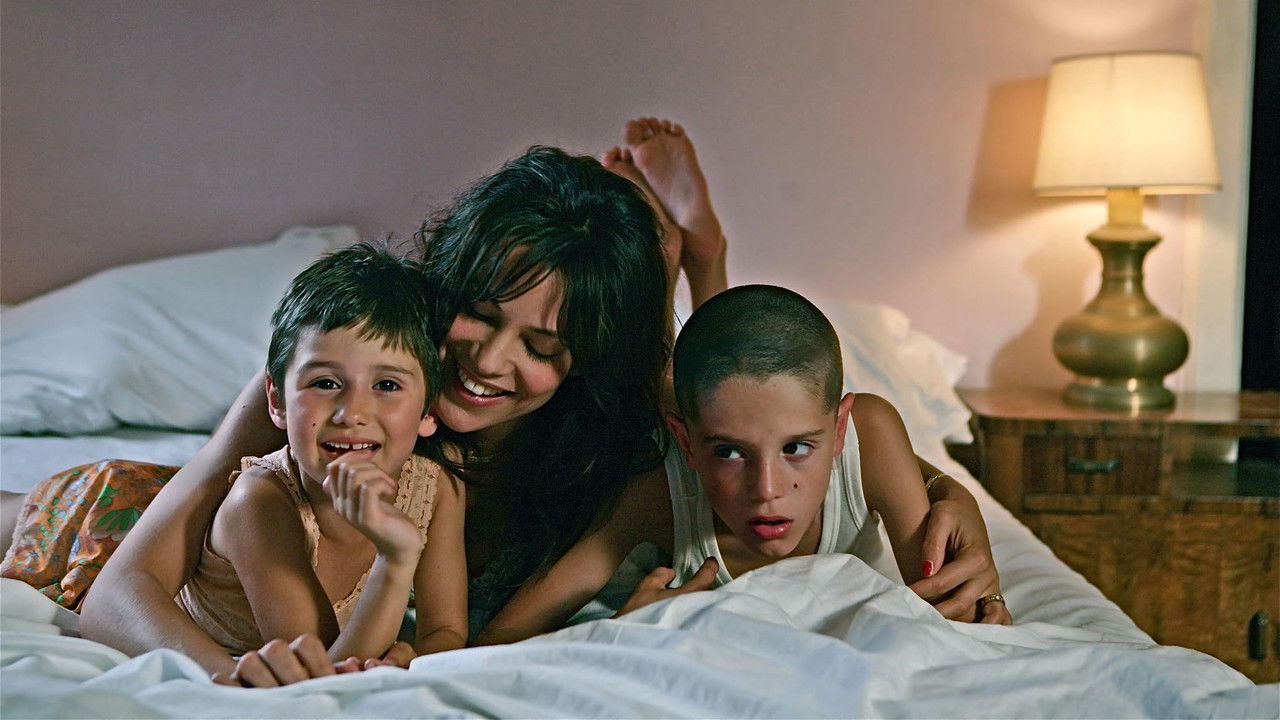
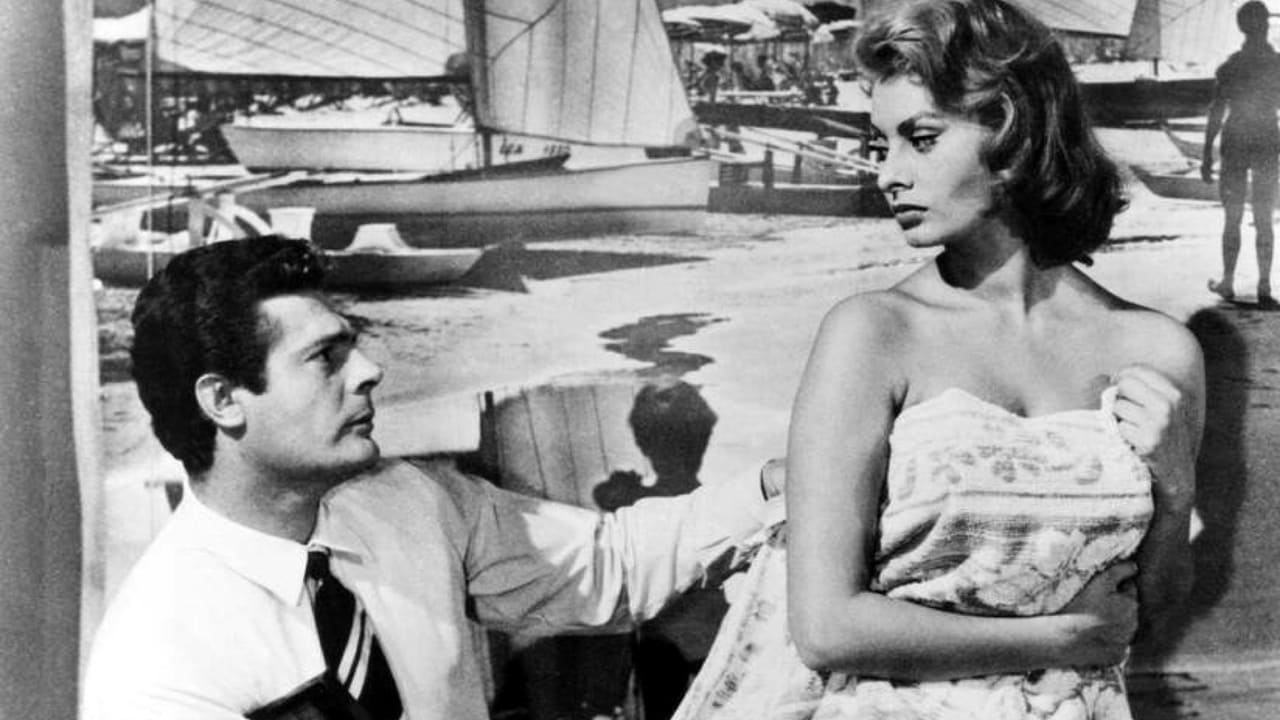
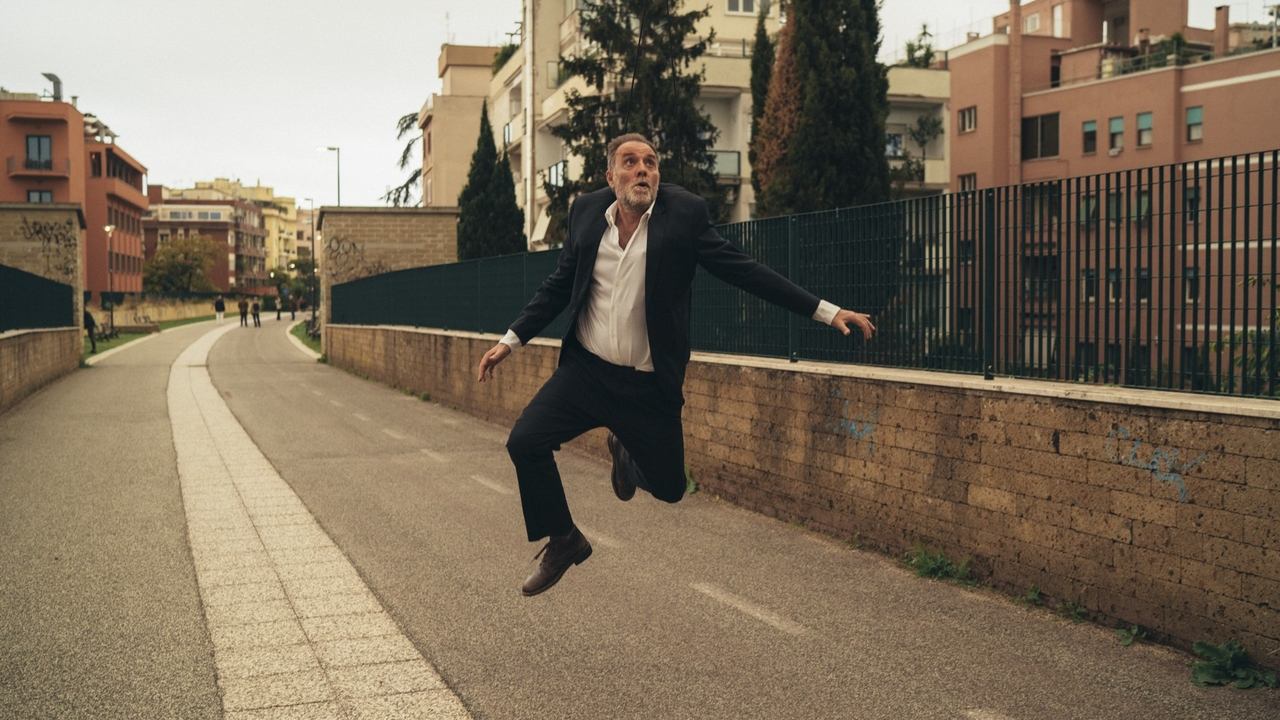
For a film with more heart, choose The First Beautiful Thing, directed by Paolo Virzì. In the summer of 1971, at a seaside resort near Livorno, a young mother named Anna is crowned the most beautiful mamma on the beach, to the fury of her jealous husband, and her two children watch their family come apart. Forty years later her son, now a gloomy teacher in Milan, is called home to her bedside and finds her as irrepressible as ever. The film moves between the two periods with great skill, and its portrait of a mother who embarrasses and enchants her children in equal measure is one that everybody recognises. Italy chose it as its entry for the Academy Awards.
For the children, begin with Why Did You Pick On Me?. Bud Spencer, an enormous, bearded former Olympic swimmer from Naples, was the favourite film star of several generations of European children, a gentle giant who settled every argument with a single open-handed slap. Here he is a small-town sheriff looking after a boy from another planet whose ray gun can make horses talk, and the pair are pursued across the American South by the army. It is cheerful nonsense with a great deal of comic brawling and a warm centre.
Comedy
One hundred and nine titles are comedies, and the comedy guide sorts them by period. The modern Italian comedy is usually a story of friends. The Immature: The Trip takes a group of forty-year-olds, who in an earlier film had to sit their school-leaving examinations again, on the class holiday to Greece that they missed the first time. A Flat for Three, directed by and starring Carlo Verdone, moves three separated fathers, a record-shop owner, a film critic and an estate agent, into one cramped flat because between them they can barely afford the rent. Tomorrow's a New Day reunites two old friends for four days, with humour and a lump in the throat. Two Stepmoms obliges two women who detest each other to bring up a child together.
The return to the provinces is another favourite theme. In An Almost Perfect Country a village in the mountains of Basilicata will lose its last hope of a factory unless it can find a resident doctor, and the whole population conspires to persuade a visiting plastic surgeon from Milan that theirs is the most delightful place on earth. Ever Been to the Moon? sends a fashion editor to the farm in Puglia that she has inherited, A Whole New Life lets a Roman taxi driver borrow a wealthy client's villa for a week, and Welcome to the Countryside moves a city family into an old farmhouse. Chi m'ha visto is about a gifted session guitarist who stages his own disappearance in the hope of being noticed, and La sedia della felicità, the last film of Carlo Mazzacurati, sets a beautician and a tattoo artist hunting for a fortune hidden in a dining chair.
Several comedies carry a serious thought lightly. In Marilyn's Eyes two patients at a day centre, a chef with a temper and a compulsive storyteller, open a restaurant staffed by their fellow patients. Io sono Tempesta sentences a tax-dodging financier to a year of service at a homeless shelter. Moon Landing is the touching story of two half-brothers, one of whom has spent his life building a rocket in a barn. A Lot Like Paris, drawn from a real event, follows three estranged siblings who drive their ailing father round and round a riding school in a camper van to give him the trip to Paris he has always wanted. Bangla, written and directed by its young star, is a romantic comedy about a Roman of Bangladeshi family, his band, his mosque and the Italian girl who turns his head; it won its author the national film prize for the best new director and became a television series.
For teenagers there are the summer romances Under the Riccione Sun and Under the Amalfi Sun, Come tu mi vuoi, Jumping from High Places, What Will Become Of Us, in which three school leavers set off for a Greek island, and Non C'è Campo, about a school trip to a village where every telephone loses its signal. Genitori vs Influencer pits a philosophy teacher against his daughter's online ambitions, and Smart Working, Modalità aereo, Stay Away from Me, Nine and a Half Moons, A Fairy Tale Wedding, The Undecided Groom and 30 Nights with My (Ex) Husband are light entertainments of recent years.
The masters of Italian comedy
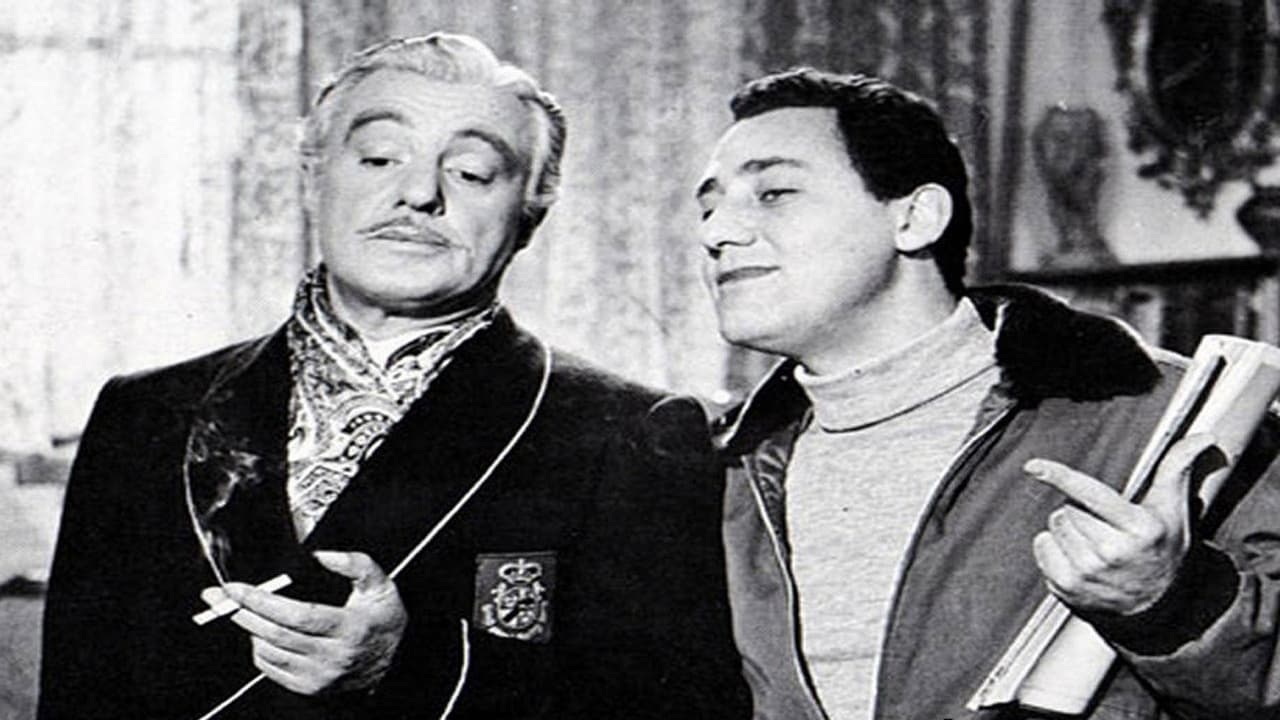
From the 1950s to the 1980s Italy possessed a company of comic actors unmatched anywhere, and the masters of comedy guide lists their films in the catalogue. Alberto Sordi was the chief of them, a Roman who spent fifty years portraying the average Italian with all his vanities and evasions. In Il conte Max he is a newspaper seller who passes himself off as an aristocrat at a ski resort, coached by a genuine count fallen on hard times, who is played by the director Vittorio De Sica. In Venice, the Moon and You he is a gondolier with a fiancée and a weakness for foreign tourists, and in the final episode of Where Are You Going on Holiday?, which he directed, he and his wife are a pair of Roman greengrocers sent by their educated children on a cultural tour that they endure with heroic bewilderment. It is among the funniest half-hours in Italian cinema.
Ugo Tognazzi and Vittorio Gassman were the other pillars. Tognazzi leads My Friends Act III, the last chapter of a famous trilogy about a band of middle-aged Florentine friends devoted to elaborate practical jokes, who here continue their campaign from a retirement home. He also directed and starred in The Seventh Floor, a satire set in a luxurious clinic, and appears in I motorizzati and Il generale dorme in piedi. Gassman, the most admired stage actor of his day, is the ragged, boastful knight of Brancaleone at the Crusades, directed by Mario Monicelli: a comic epic of the Middle Ages spoken in an invented mock-medieval Italian, in which the hero leads a band of misfits towards the Holy Land and meets a witch, a hermit and Death himself along the way. Gassman also directed himself as a great English actor in Kean: Genius or Scoundrel.
Aldo Fabrizi, a large and tender Roman, plays a tram driver demoted to conductor who takes his old tram out for one last night-time run in They Stole a Tram, and a father put under a hypnotist's spell in Dad Becomes Mom; he shares The Lucky Five, about five poor men who win a luxury car in a lottery, with the great Neapolitan playwright and actor Eduardo De Filippo. Totò, the prince of Neapolitan comedy, appears in his last film, Caprice Italian Style, and with the pop singer Rita Pavone in Rita the American Girl. The Sicilian duo Franco Franchi and Ciccio Ingrassia give their version of Cervantes in Don Chisciotte e Sancio Panza. Monica Vitti, the finest comedienne of them all, plays twelve different women in That's How We Women Are, and Marcello Mastroianni is a football referee whose passion for the game tries his wife's patience in My Wife's Enemy.
The tradition passed in the 1980s to a new generation. Carlo Verdone, its leading figure, is represented by three films; Adriano Celentano, a singer with the gait of a marionette, runs a lakeside hotel full of eccentrics in Grand Hotel Excelsior; and Diego Abatantuono leads a tribe of hapless barbarians towards Rome in Attila Scourge of God, a film dismissed on release and now quoted by every Italian under sixty. Mario Monicelli, the director who more or less invented the Italian comedy, was still at work in his eighties with Dirty Linen, about a family of sweet makers, and Tutti gli uomini del deficiente comes from the troupe behind a much-loved satirical television programme.
The classics of the fifties and sixties
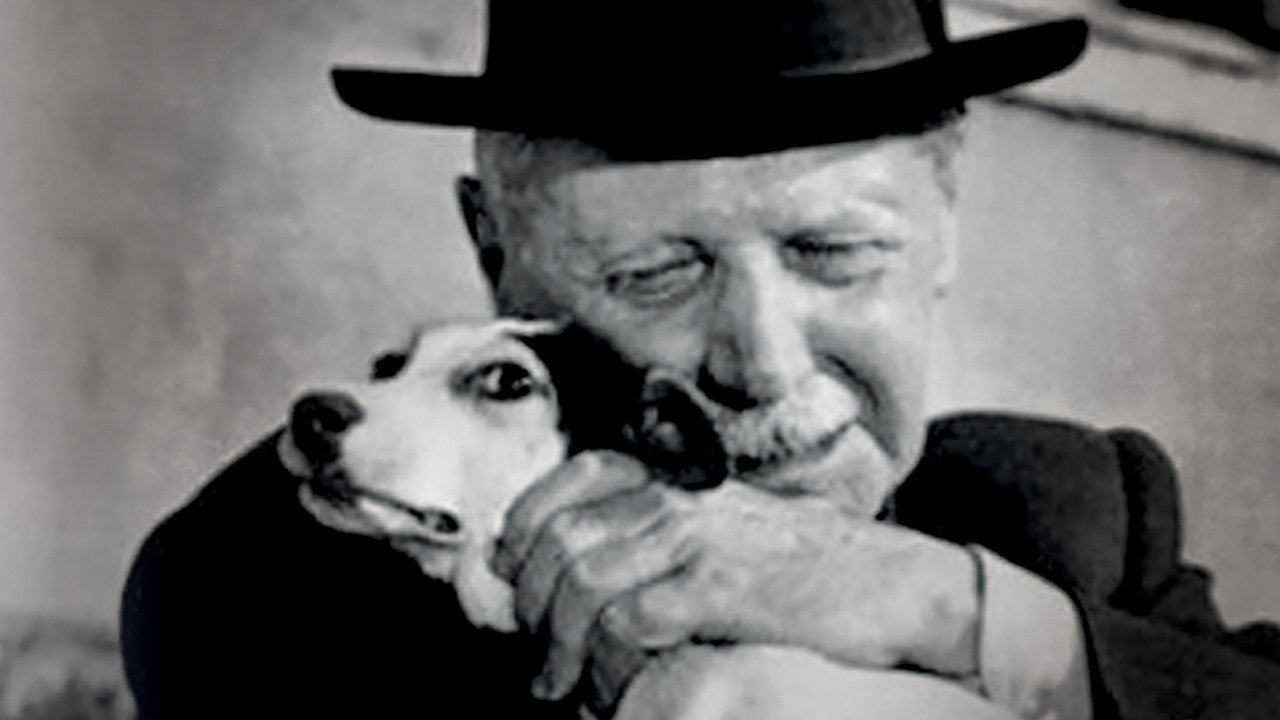
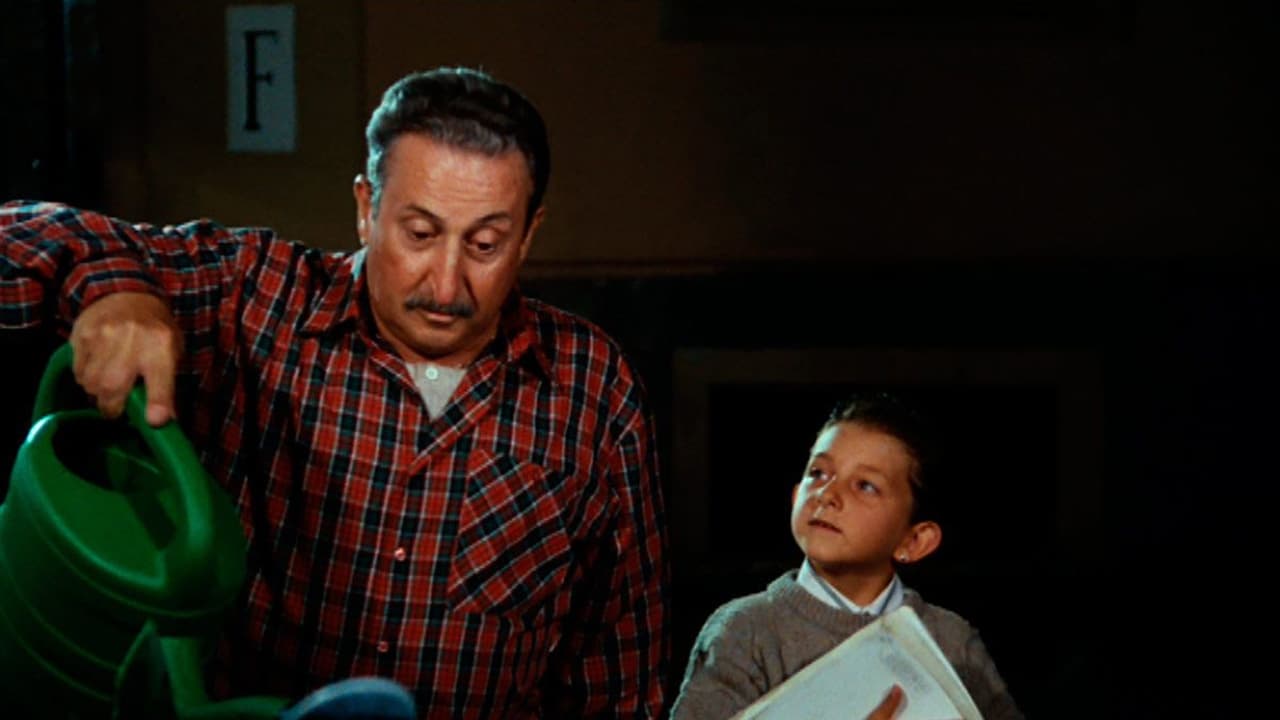
Fifty-two films were made before 1970, and the classics guide introduces them. The one indispensable title is Umberto D., made by Vittorio De Sica in 1952. Umberto is a retired civil servant in Rome whose pension has fallen behind the rent of his room. He has his dignity, his little dog Flike and very little else, and the film follows him through a few days as he tries to keep all three. The part is played by a university professor making his first appearance as an actor, and the scenes between the old man and the dog are among the most affecting ever filmed. It is the purest example of neorealism, the movement that took the camera into the streets after 1945 and changed cinema everywhere. Children old enough to read subtitles are often held by it completely.
The same spirit runs through several other films of the decade. The Wide Blue Road, the first feature by Gillo Pontecorvo, stars Yves Montand as a fisherman on the Adriatic coast struggling to feed his family. The Window to Luna Park, by Luigi Comencini, concerns a labourer who returns from abroad to a small son who hardly knows him. Tomorrow Is Too Late is a sympathetic study of adolescents and their teachers, and Elementary School the story of a village schoolmaster transferred to Milan. Hands Over the City, which won the Golden Lion at Venice in 1963, is a gripping drama about a building collapse in Naples and the council meetings that follow, with Rod Steiger as a developer; it is a political film in the best sense and suits older viewers.
Rome in the 1950s was the most filmed city in Europe, and a group of light comedies shows why. Three Girls from Rome follows three young seamstresses who eat their lunch every day on the Spanish Steps. It Happened in Rome sends three foreign girls hitch-hiking from the Riviera to the capital, Wild Love watches the courtships of one Roman square, and Good Folk's Sunday weaves several stories around a football match. Sophia Loren, who has a small part in that last film, is the star of What a Woman!, in which a photograph on a magazine cover turns a shop girl into a celebrity, and of Ghosts, Italian Style, from a famous Neapolitan play, in which a couple move into a palace that is said to be haunted and live there free of rent on that account. She returned to the screen in her late sixties for Francesca and Nunziata, the saga of a family of pasta makers directed by Lina Wertmüller.
Strongmen, pirates and swordsmen
Around 1960 the studios of Rome turned out adventure films by the hundred, and thirty-nine titles in the catalogue belong to the genre. The adventure guide sets them in order. The most Italian of them are the strongman films. Their hero is Maciste, a mighty and good-natured champion first seen in a silent epic of 1914, who wanders through every age and country righting wrongs. In English-language prints he was renamed Samson, Atlas or Goliath, which explains the titles: Son of Samson takes him to Egypt to lead a revolt against a wicked queen, Atlas Against the Cyclops sets him against a one-eyed giant, Samson and the 7 Miracles of the World sends him to the rescue of a Chinese princess, and Goliath Against the Giants offers sea monsters and Amazons in a single film. My Son, the Hero, directed by Duccio Tessari, is the wittiest of the group, a mythological comedy about the youngest and cleverest of the Titans. The sets are painted, the monsters are made of rubber, and children delight in them.
The pirate films drew on the novels of Emilio Salgari, the writer whose tales of the Caribbean and the Malay seas every Italian child once read. Jolanda, the Daughter of the Black Corsair is taken straight from him, and his most famous creation, the Malay prince and pirate Sandokan, appears in the 1996 series The Return of Sandokan, with the Indian actor Kabir Bedi returning to the part that had made him a star across Europe twenty years earlier. Steve Reeves, the American bodybuilder who started the whole strongman fashion, plays the buccaneer Henry Morgan in Morgan, the Pirate. The Son of Captain Blood has a curiosity of casting, since its hero is played by Sean Flynn, whose father Errol had played Captain Blood in Hollywood in 1935. Pirates of the Coast, Musketeers of the Sea and The Sea Pirate complete the fleet.
There are swordsmen on land as well. The Triumph of Robin Hood gives Sherwood Forest an Italian cast, The Corsican Brothers films the Dumas story of twins who feel each other's wounds, and Tempest, produced on a grand scale by Dino De Laurentiis from a novel by Pushkin, follows a young officer to a remote fort in the Russia of Catherine the Great. Two parodies round out the list: The Dream of Zorro, about a timid descendant of the masked avenger, with Walter Chiari and a very young Sophia Loren, and I 4 moschettieri, in which four rogues take the places of the real musketeers. The Seven Dwarfs to the Rescue, from 1951, is a live-action fairy tale that continues the story of Snow White.
Opera, song and dance
Italy invented opera, and its cinema has always sung. Eighteen titles are about music, and the music guide describes each one. The grandest is House of Ricordi, a Technicolor chronicle of the Milan publishing family who printed the scores of Rossini, Bellini, Donizetti, Verdi and Puccini, with a famous episode for each composer and Marcello Mastroianni as Donizetti. The nine-part series Verdi, made by Italian television in 1982 with the English actor Ronald Pickup in the title role, is among the most thorough biographies of an artist ever filmed; it follows the composer from a village inn near Busseto to the triumphs of his eighties, and it is an education in Italian history as well as in music. Rossini! Rossini! is Mario Monicelli's affectionate portrait of the composer of The Barber of Seville, and Young Toscanini, directed by Franco Zeffirelli, imagines the great conductor at eighteen on a tour of Brazil.
Two films present complete works by Puccini. La Bohème is a film version of the opera with Anna Netrebko and Rolando Villazón, two of the leading singers of their time, as the seamstress Mimì and the poet Rodolfo. Gianni Schicchi films the composer's one comedy, a sparkling hour about a cunning Florentine and a family of greedy heirs, which contains one of the best-known arias ever written. Both are excellent introductions to opera for anyone who has yet to see one, and the subtitles make every word of the story clear.
Popular song had its own genre, the musicarello, a light romance built around a singer with a record in the charts. So In Love stars Gianni Morandi as a young conscript in love with his sergeant's daughter; the film and its title song were enormous hits in 1964, and Morandi is still filling arenas sixty years later. Rita the American Girl belongs to Rita Pavone, Lisa with the Blue Eyes and Song That's Playing In My Head (Zum Zum Zum) to the end of the sixties, and How Do I Love You? to Gigliola Cinquetti, the winner of the 1964 Eurovision Song Contest. I'll See You on the Balcony is an earlier musical comedy about an unlucky man and a singer with an extraordinary voice. Later come Dream of a Summer Night, a rock musical after Shakespeare directed by Gabriele Salvatores, Iris Blond, Carlo Verdone's comedy about a faded songwriter and a young singer in Brussels, the tender The Last Concert, and two films of 2026, Balcanica and The Warmth Of Dance.
Drama
Fifty-three titles are dramas, chosen for warmth, and the drama guide lists them. The finest is The Legend of the Holy Drinker, which won the Golden Lion at Venice in 1988. Ermanno Olmi filmed a short novel by Joseph Roth about a homeless man in Paris who is lent two hundred francs by a stranger, on the single condition that he repay it to a church when he can. Rutger Hauer gives the performance of his life as a man to whom small miracles keep happening. It is a quiet and luminous film about honour. The Four Times, by Michelangelo Frammartino, is quieter still: an old goatherd, a kid, a fir tree and a charcoal kiln in the hills of Calabria, observed almost wordlessly, with a comic set piece involving a dog and a lorry that audiences remember for years. It asks for patience and repays it.
School is a favourite setting of Italian drama. In The Red and the Blue a weary old art historian, a keen young substitute and a headmistress who prefers to keep her distance each find a pupil who needs them. Classmates follows an English teacher and her class of eighteen-year-olds on the edge of Rome, White as Milk, Red as Blood is taken from a novel that sold a million copies about a sixteen-year-old, his friends and his first love, and Seeking Asylum stars Roberto Benigni, in an early and gentle role, as a nursery teacher who lets the children lead. Jack Frusciante è uscito dal gruppo is the story of a Bologna schoolboy who loves punk rock and a girl about to leave for America, and Il fulgore di Dony is a story of loyalty between two students directed by Pupi Avati.
Family stories make up the rest. The Story of Boys and Girls, also by Avati, gathers two families, one of country people and one from the city, around a table of twenty courses for an engagement lunch in 1936; it is among the best-loved films about food and kinship in the language. In Lei mi parla ancora a daughter hires a ghost writer to set down the story of her parents' sixty-five years of marriage. Daughter of Mine, filmed in Sardinia, concerns a ten-year-old girl and the two women who each have a claim to be her mother. The Time It Takes is the director Francesca Comencini's memoir of growing up beside her father Luigi on his film sets, and The Stonebreaker, Aspromonte: Land of The Forgotten, in which a village builds its own road, Nour, Californie, Winter Lemons and Trick are thoughtful films of recent years. Dry, by Paolo Virzì, imagines a Rome where rain has stayed away for three years and follows a dozen Romans through the drought with wit and sympathy.
True stories
Italian television has a strong tradition of filmed biography, and the true stories guide collects the lives in the catalogue. Enrico Piaggio: Vespa begins in 1945 with an aircraft factory in ruins and twelve thousand workers idle, and tells how its owner turned to a small motor scooter that put the whole country on wheels. Non è mai troppo tardi is the story of Alberto Manzi, a schoolmaster who taught more than a million adults to read and write through a television programme in the 1960s. Margherita delle stelle follows the astrophysicist Margherita Hack from a curious childhood in Florence to the direction of the Trieste observatory, and Rosso Volante the bobsleigh champion Eugenio Monti, who was honoured for sportsmanship after lending a bolt to his British rivals and at last won his Olympic gold. Ennio Doris - C'è anche domani is the life of a banker from a village in the Veneto, and The Startup that of a Roman teenager who built a social network for job seekers.
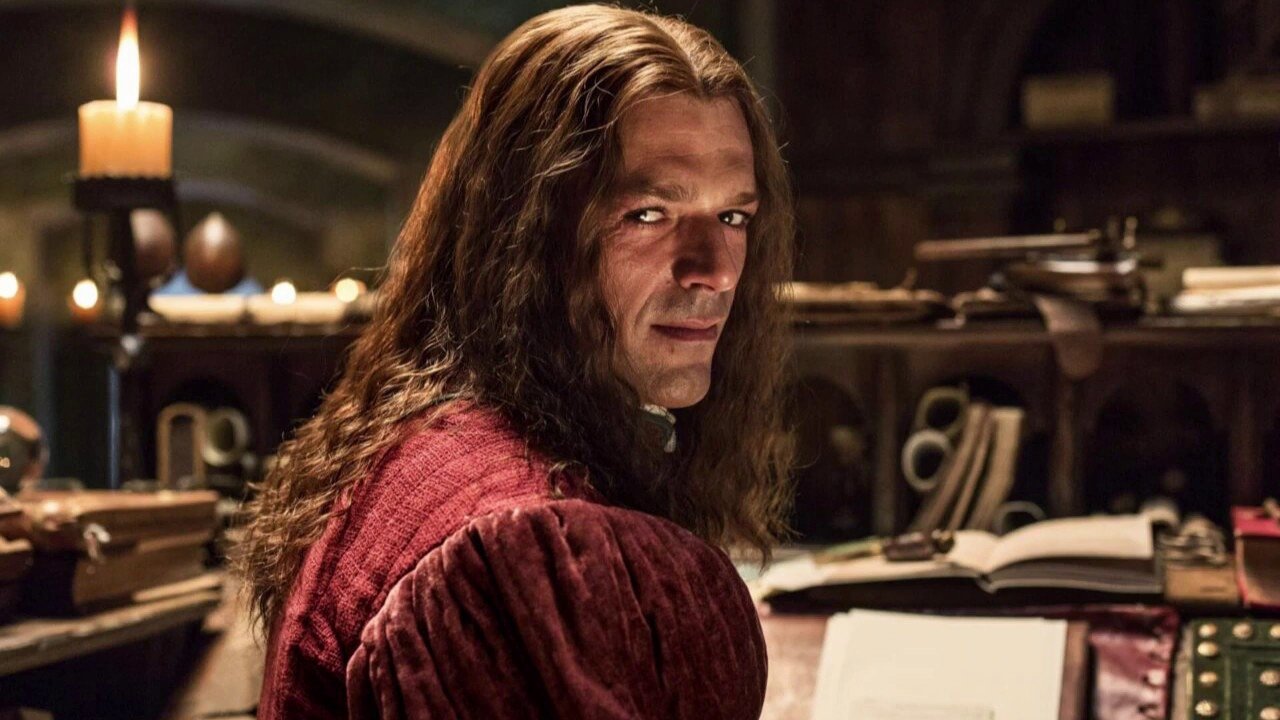
The arts are well served. I fratelli De Filippo tells how Eduardo, Peppino and Titina, the three children of a famous Neapolitan actor, formed the company that changed Italian theatre. The series Mike recalls Mike Bongiorno, the quiz host who was the face of Italian television for half a century, and Carosello in Love is a romance set behind the scenes of Carosello, the nightly programme of short sketches that every Italian child of the sixties was allowed to watch before bed. Leopardi. The Infinity Poet is a two-part life of the greatest Italian poet of the nineteenth century, and I, Leonardo gives Leonardo da Vinci the chance to explain his own mind. The four-part Christopher Columbus of 1985, an international production with Gabriel Byrne as the navigator from Genoa, Faye Dunaway as Queen Isabella and Max von Sydow as the King of Portugal, remains a handsome account of the voyage.
From the page
A dozen titles are adaptations of books, gathered in the books guide. The most remarkable is The Frenzy of Orlando, Luca Ronconi's television version of the great Renaissance poem by Ariosto, with knights, sorceresses, a ring of invisibility and a winged horse, all staged with visible stage machinery and spoken in the original verse. The Charterhouse of Parma is a six-part adaptation of Stendhal's novel about a young nobleman in the Italy of Napoleon's time and his brilliant aunt, directed by Mauro Bolognini. Heart of a Dog films Bulgakov's satire about a professor who turns a stray into something like a man, and Wuthering Heights moves Emily Brontë's story into an Italian miniseries.
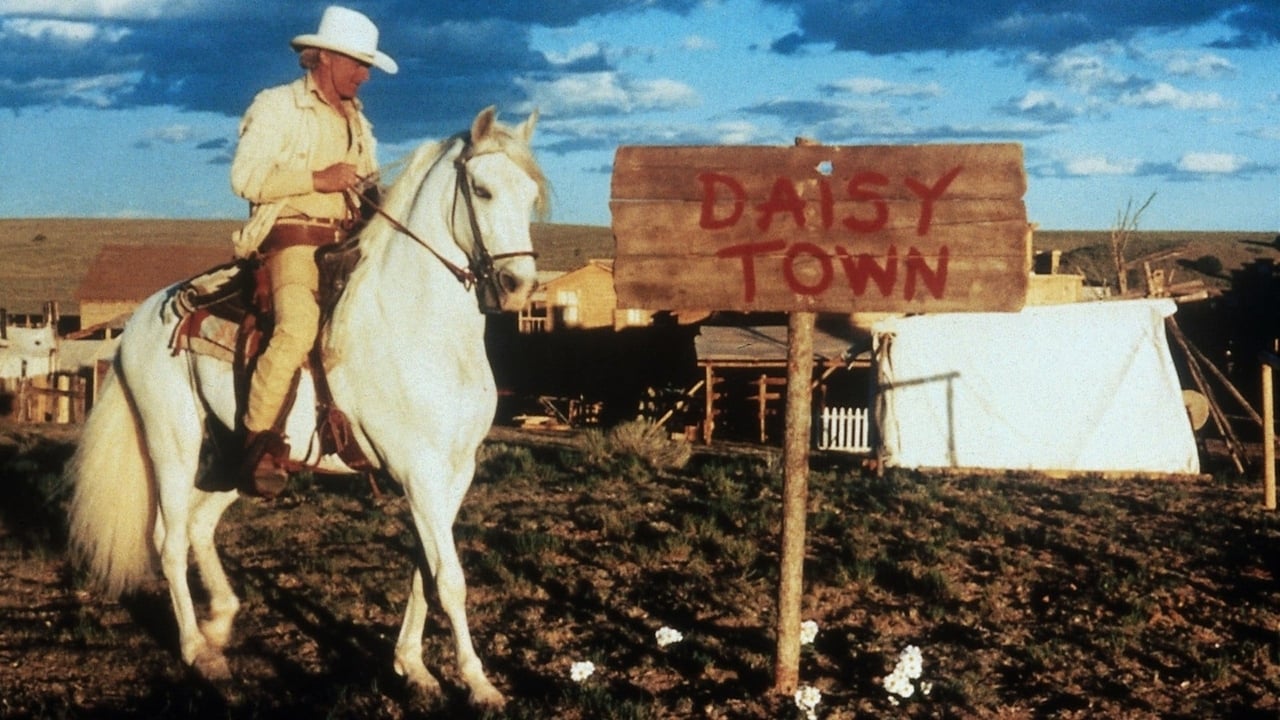
For children there are two very different treats. Treasure Island in Outer Space retells Stevenson's novel in the year 2300, with Anthony Quinn as Long John Silver and Ernest Borgnine as Billy Bones; its director, Antonio Margheriti, was Italy's specialist in spacecraft, and the models are a pleasure. Lucky Luke, from the Belgian comic strip about the cowboy who shoots faster than his shadow, was filmed in New Mexico with Terence Hill as the hero and a talking horse as his adviser; Hill was Bud Spencer's partner in many films, and the series has all of their good humour.
The series
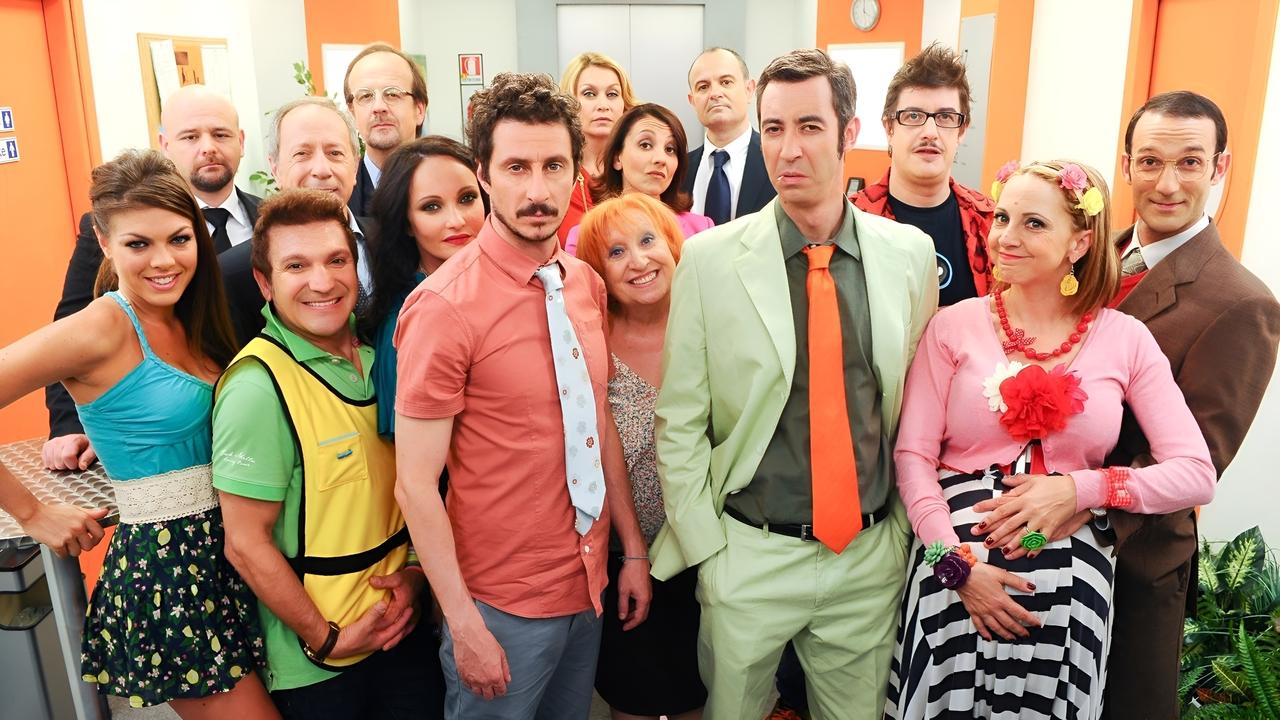
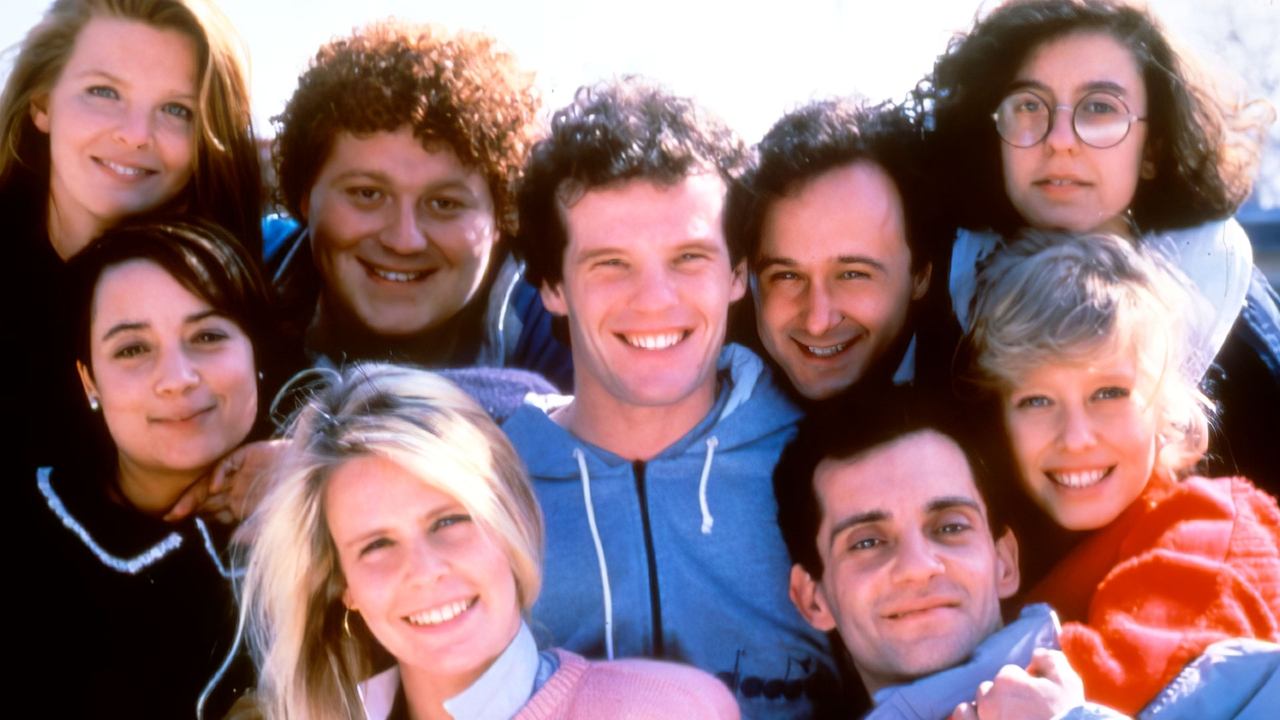
Thirty-seven series are in the catalogue, and the series guide gives the number of episodes for each. The easiest to sample is Camera Café, whose episodes last a few minutes: a camera inside an office coffee machine watches the staff of a company come and go, led by a lazy salesman and a scheming union representative. It ran for years and its catchphrases entered the language. The Boys of 3rd C is the school comedy that all of Italy watched in the late eighties, I liceali and Fuoriclasse are its descendants, with the comedienne Luciana Littizzetto as a teacher in the second, and The Immature - The Series continues the film of the same name.
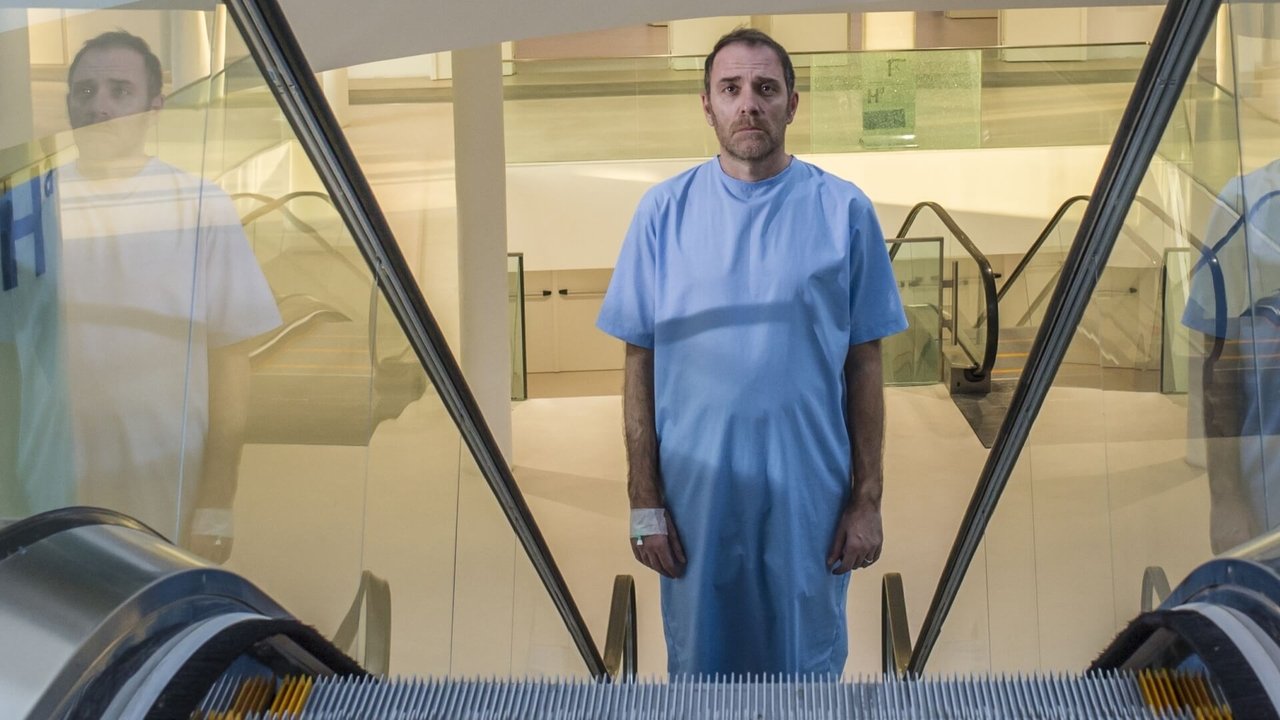
Family sagas are a strength of the national broadcaster. Una grande famiglia concerns a clan of furniture makers in Lombardy, Di Padre in Figlia the daughters of a grappa distiller in the Veneto from the 1950s to the 1980s, and Before Us three generations between 1917 and 1978. La Figlia di Elisa Rivombrosa is a costume romance set in Piedmont at the end of the eighteenth century. Amico mio takes place in a children's hospital, The Vertical Line is a brave and funny series written from its author's own stay in hospital, Come un delfino stars Raoul Bova, a competitive swimmer in his youth, as a champion turned coach, and Codice rosso follows a team of Roman firefighters.
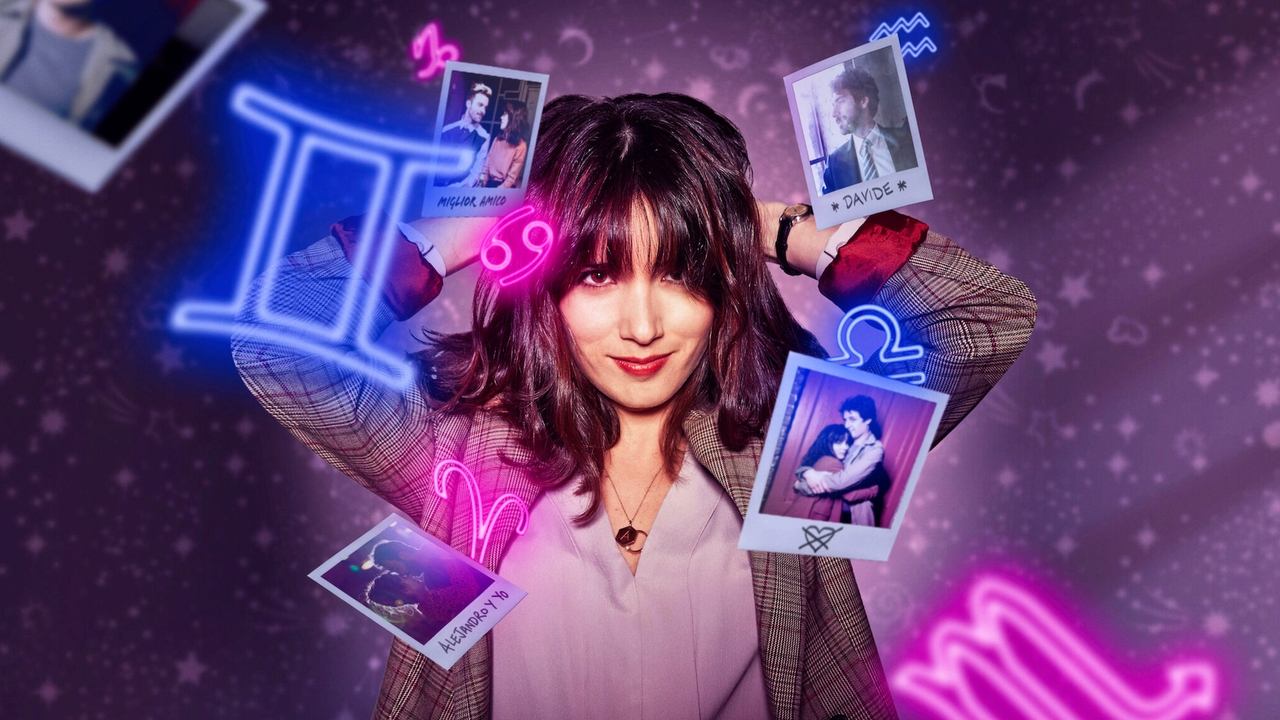
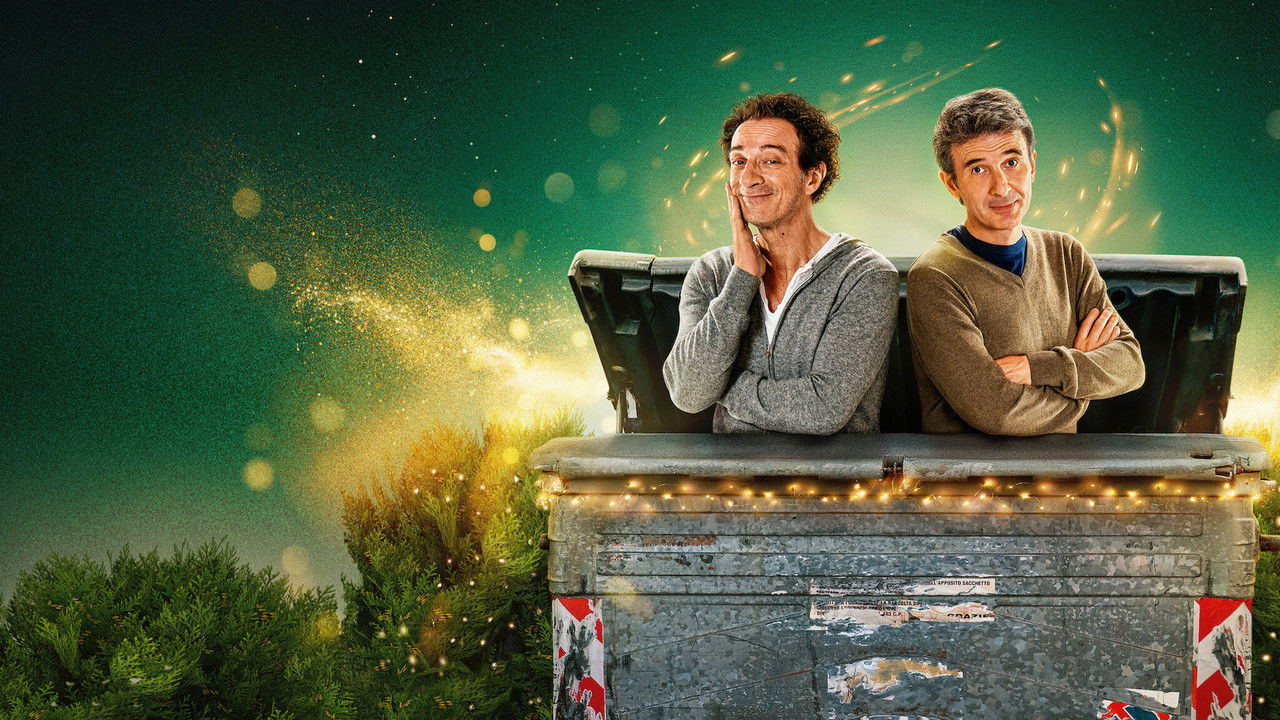
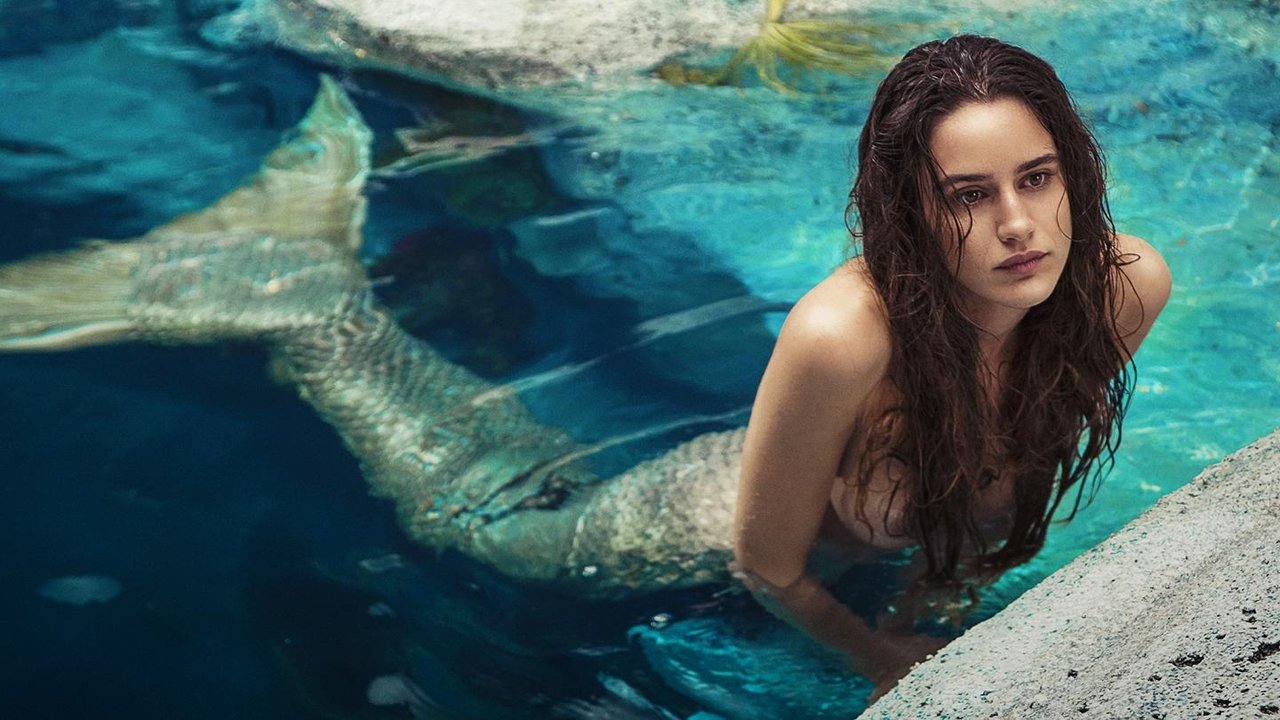
Among the lighter series, Gourmet Wars sets a traditional restaurant and a fashionable one on opposite sides of the same street. An Astrological Guide for Broken Hearts and I Hate Christmas are romantic comedies in short seasons, Love, Inevitably pairs a dancer from Seville with a Roman businessman, and Sicily Express gives the comedians Ficarra and Picone a rubbish bin that carries them from Milan to Sicily in a moment. Professione vacanze and Yesterday - Vacanze al mare are sunny comedies of the eighties, Sirens brings mermaids to Naples, and Gloria, Super Market, Ligas and Bangla The Series are recent arrivals. Two fairy-tale miniseries by Lamberto Bava, Desideria e l'anello del drago and Alisea and the Dream Prince, were Christmas events on Italian television, with princesses, wizards and castles filmed in Central Europe.
Choices for children
Thirty-one titles are marked for family viewing, and the family viewing guide arranges them by age. The youngest viewers can start with the two Bava fairy tales, The Seven Dwarfs to the Rescue and Lucky Luke. From about seven, the strongman and pirate films are ideal, since their stories can be followed almost by the pictures alone. Ci hai rotto papà is a comedy about children in a Roman apartment block who form a secret society, The Balloon Vendor is a touching story about a boy and his puppet theatre, and The Man Who Wagged His Tail is a fable in which a miserly landlord, played by Peter Ustinov, is turned into a dog and learns how his tenants live. The Twelve-Handed Men of Mars sends four Martians to Rome, where they find life on Earth much to their liking.
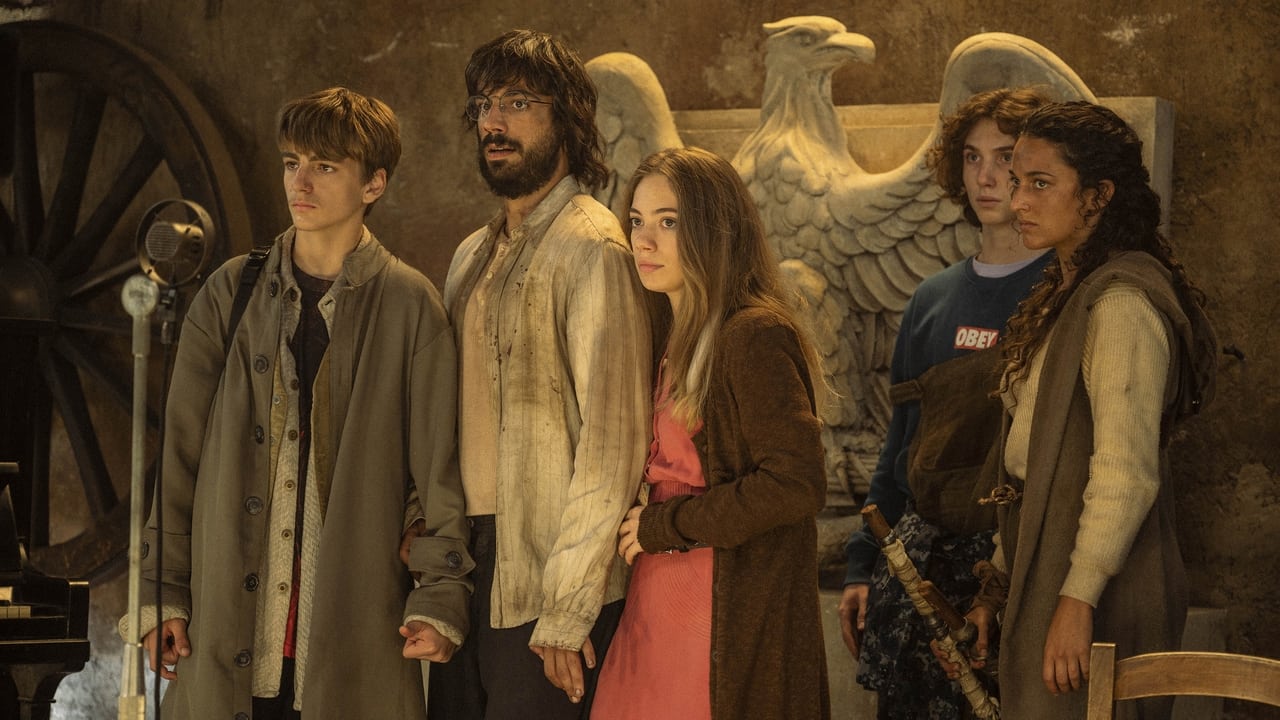
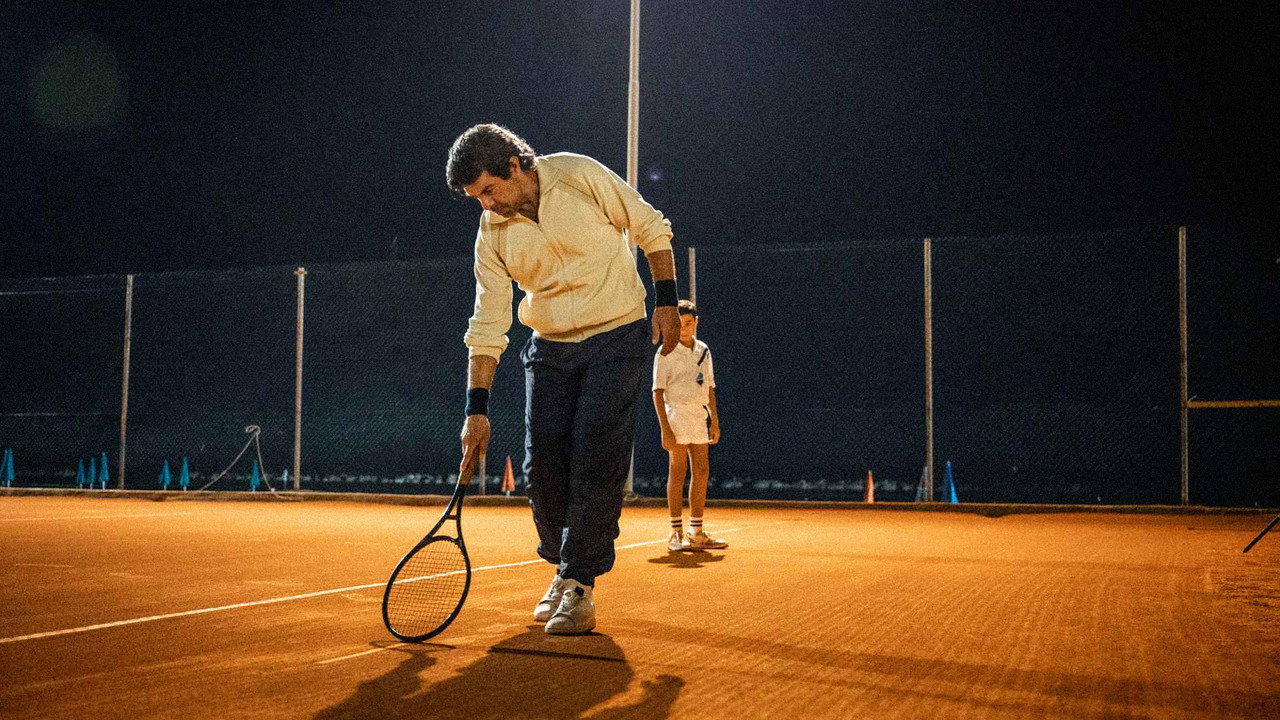
Older children enjoy The Voyagers, in which a boy and his friends travel back to the Rome of 1939 in search of a lost brother, and My Tennis Maestro, set in the summer of 1989, in which a thirteen-year-old is coached by a former champion with a talent for enjoying life. Moon Landing, An Almost Perfect Country and Welcome to the North are comedies that parents and teenagers can share.
Directors worth following
A catalogue of this size can also be explored through the people behind the camera, and the search box accepts any of their names. Mario Monicelli is the natural first choice. Over sixty years he made comedy into a serious art, and three of his films are here: Brancaleone at the Crusades from his prime, Rossini! Rossini! from his seventies, and Dirty Linen, finished when he was eighty-four and as sharp as ever. Luigi Comencini, the great director of childhood, made The Window to Luna Park, and his daughter Francesca remembers him in The Time It Takes; seen together, the two films span seventy years of one family's work. Alberto Lattuada, a founder of the Milan film archive, directed both the modest Elementary School and the spectacular Tempest, which shows the range expected of an Italian professional in the fifties.
Pupi Avati, from Bologna, has spent a long career on memories of provincial life and has three films in the catalogue: The Story of Boys and Girls, Il fulgore di Dony and Lei mi parla ancora. Paolo Virzì, from Livorno, is the heir of the classic comedy, and The First Beautiful Thing and Dry show the two sides of his gift, the intimate and the panoramic. Carlo Verdone has directed and starred in a comedy almost every other year since 1980; Iris Blond, Ma che colpa abbiamo noi and A Flat for Three give a fair picture of his gallery of anxious, kindly Romans. Ermanno Olmi, who made The Legend of the Holy Drinker, and Vittorio De Sica, who made Umberto D. and acts in Il conte Max, stand a little apart, as the two great humanists of the national cinema.
Among the craftsmen of the adventure film, Duccio Tessari, Antonio Margheriti and Lamberto Bava each have work here, and it is a pleasure to see how much they achieved with small budgets and large imaginations. Lina Wertmüller, the first woman ever nominated for the Academy Award for direction, is represented by Francesca and Nunziata, and Franco Zeffirelli, famous on the opera stages of the world, by Young Toscanini, which stars Elizabeth Taylor as a celebrated soprano.
Italy, region by region
Italian films are proud of where they come from, and the catalogue makes a pleasant atlas. Rome has the largest share: the Spanish Steps of Three Girls from Rome, the tram depot of They Stole a Tram, the market of Arance & martello, the studios of Finally Dawn and the dry riverbed of Dry. Naples comes next, with its theatre in I fratelli De Filippo, its haunted palace in Ghosts, Italian Style, its council chamber in Hands Over the City, the courtship of You, Your Mother, and Me and the grandfather and grandson of Trick. Milan is the city of work and fog in Welcome to the North, One Day More and Camera Café, and the home of the music publishers in House of Ricordi.
The provinces are where the comedies go to breathe. Tuscany appears in My Friends Act III and in the Livorno of The First Beautiful Thing; Emilia-Romagna in the films of Avati and on the beaches of Under the Riccione Sun; the Veneto in the gondolas of Venice, the Moon and You and the distillery of Di Padre in Figlia. The south is seen at its most beautiful in An Almost Perfect Country, filmed among the peaks of Basilicata, in the Puglia of Ever Been to the Moon? and Chi m'ha visto, in the Calabria of The Four Times and Aspromonte: Land of The Forgotten, and along the coast of Under the Amalfi Sun. Sardinia is the setting of Daughter of Mine, and Sicily of Nour and Sicily Express. A viewer planning a holiday could do worse than choose a film for each stop.
The highest rated
The top rated list on the home page gathers the twenty-two titles that score highest with the public, counting only those with enough votes for the figure to mean something. Among the films, Umberto D. leads it, followed by Francesca and Nunziata, The Four Times, Il fulgore di Dony, Hands Over the City, The First Beautiful Thing and Brancaleone at the Crusades, with Il conte Max, Moon Landing and The Story of Boys and Girls further down. Among the series, The Vertical Line stands highest of all, ahead of Ligas, Super Market, Sicily Express and Camera Café. It is a short and dependable list for an evening when you would rather be told what is good than browse, and every title on it has a Watch now button like the rest.
The many titles with few votes deserve a word as well. A film such as The Lucky Five or Good Folk's Sunday may have been rated by a few dozen people outside Italy, which says only that it is rarely shown abroad. Some of the most pleasant evenings in the catalogue are to be found among them, and the descriptions on each page are there to help you choose.
Seventy-six years in four periods
The catalogue can be walked through by date. The first period, 1950 to 1969, holds fifty-two films: neorealism and its gentler successors, the Roman comedies, the adventures and the song films. The second, 1970 to 1999, holds thirty-seven titles, introduced in the seventies to nineties guide. These were the years when television grew and cinema attendance fell, and the best work often came from directors with a personal voice. They are represented here by Marco Ferreri's Seeking Asylum and by the comedies of Carlo Verdone, among them Ma che colpa abbiamo noi, made a little later, in which the members of a therapy group carry on by themselves after losing their analyst. An Australian in Rome has a twenty-year-old Nicole Kidman in one of her first parts, and Guests is a kindly comedy about two young Albanians who lodge with a Roman photographer.
The third period, 2000 to 2015, holds twenty-eight titles, among them One Day More, a romantic comedy with Fabio Volo, Arance & martello, set around a Roman street market in a hot summer, Tutto l'amore del mondo, a journey by rail around Europe, and The Order of Things, which belongs to the years just after. The fourth period, from 2016 to the present, is the largest with seventy titles, and the recent guide keeps it up to date. Its highlights include Finally Dawn, Saverio Costanzo's tale of a shy Roman girl who spends one long night among film stars at Cinecittà in the 1950s, In the Mirror, inspired by the screen presence of Monica Vitti, The Delay, Feeling Better, Leopardi & Co, a romance set in the poet's home town of Recanati, Love Under House Arrest and Moles, in which a family pretends to be on a luxury holiday while hiding at home.
Reading subtitles, hearing Italian
Italian is one of the most pleasant languages to hear, and a subtitled film leaves every voice intact. Sordi's Roman drawl, Totò's Neapolitan flourishes and the Milanese briskness of Claudio Bisio are half of the comedy, and a dubbed track would remove them. Subtitles also help with the pace, since Italian comedies are spoken at speed. A good plan for a first film is to choose a recent comedy, where the speech is everyday and the story is easy to follow, and to move to the classics afterwards. Students of the language will find the series especially useful: Camera Café offers short scenes of office talk, I liceali the speech of teenagers, and the biographies clear, measured narration. Many services offer Italian subtitles as well as English, and reading the Italian while hearing it is a proven way to learn.
The yellow strip on each picture in CrimsonSubs is a small tribute to the craft of subtitling. Old cinema prints used pale yellow text because it stays readable over both snow and shadow, and the site's design borrows the idea: a charcoal room, crimson for the buttons, and yellow for the words.
A note for parents
Every summary in the catalogue was read by hand before a title was admitted. The 109 comedies are of the family kind. The adventure films contain sword fights and wrestling with monsters in the manner of a storybook. A handful of dramas touch on illness or loss with tact: The Last Concert, Umberto D., The Vertical Line and White as Milk, Red as Blood are the ones to watch first yourself if your children are young. Each title page shows the certificate where one is known, and the list of genres at the top of the page gives a quick idea of the tone.
Search, lists and My List
The search box at the top of every page looks through titles, original Italian titles, directors and cast as you type. Try a name such as Sordi, Verdone or Monicelli, or a word such as pirate or opera. The finding titles page describes the fourteen lists, among them comedy, drama, romance, adventure, family, music and the four periods, and the A to Z index. The films and series pages can be sorted by year and by rating.
Each title page has an Add to My List button. The list is kept by your browser on the device you are using, so it works at once and stays private, and the My List page shows how to save the list to a file and load it on another device. It is the natural place to keep a programme for a holiday or a term of Italian lessons.
A first fortnight
Here is one way through the first two weeks. On the first evening, Welcome to the North. On the second, Why Did You Pick On Me? for the children. On the third, Umberto D., and on the fourth something light from the same decade, Three Girls from Rome. On the fifth, a strongman film, My Son, the Hero, and on the sixth a pirate, Morgan, the Pirate. On the seventh, The First Beautiful Thing. The second week might begin with Brancaleone at the Crusades, continue with Il conte Max and Ghosts, Italian Style, and take an evening for opera with Gianni Schicchi, which lasts under an hour. Then An Almost Perfect Country, The Story of Boys and Girls with a good dinner beforehand, and to finish, The Legend of the Holy Drinker. In between, an episode of Camera Café takes less time than making the coffee. By the end of the fortnight you will have met the leading actors, the main genres and five decades of the country's life, and CrimsonSubs will have 170 more titles ready.
Questions and answers
Questions
What is CrimsonSubs?
CrimsonSubs is a guide to 187 Italian films and series, 1950 to 2026, chosen for family viewing and described for readers of subtitles.
Which title should I watch first?
Start with the comedy Welcome to the North, the family drama The First Beautiful Thing or, with children, Why Did You Pick On Me? with Bud Spencer.
Is the catalogue suitable for families?
Yes. Every summary was read by hand, and crime sagas, horror, films of the battlefield and adult comedies and dramas were set aside.
How many comedies are there?
There are 109 comedies, from the classics of Alberto Sordi, Totò and Vittorio Gassman to the comedies of Carlo Verdone and recent hits.
Are the films subtitled in English?
CrimsonSubs is a guide, and each Watch now button opens JustWatch, where every listed service shows the subtitles and soundtracks it offers in your country.
Which series are the best known?
Camera Café, The Boys of 3rd C, I liceali, Una grande famiglia, Verdi, Lucky Luke and The Return of Sandokan.
How does My List work?
Press Add to My List on any title page. The list is kept by the browser on this device, and the list page can write it to a file.
Does CrimsonSubs host films or episodes?
CrimsonSubs is a guide only. Every Watch now button opens JustWatch, which lists the official streaming, rental and purchase services for your country.
